Who Should Do Pilates?
Although no single form of exercise is right for everyone, Pilates is appropriate for most people. Pilates is of benefit to people wanting to achieve optimal fitness, a better quality of life free from aches and pains, recovery from injury, or a complement to a current exercise program, or as a cross-training option to other sports.
Is Pilates Just for Women?
No, Pilates was in fact created by a man, Joseph Pilates, who was a professional boxer, skier and gymnast. It has been used by men ever since with great performance results.
No matter their sport and skill level, athletic men find that Pilates training with its emphasis on whole body fitness gives them what they need to perform with endurance, strength and injury-free. Many male professional athletes have added Pilates to their training programs including Tiger Woods, Roger Federer, David Beckham and LeBron James. They testify that Pilates has enhanced their coordination, strength, flexibility, athletic performance and injury recovery and prevention.
How Often Should I Do Pilates Exercises or a Pilates Program?
Consistency is the key and experts have found that two to three times a week produces the best results.
How Quickly Will I See and Feel Results?
Over time and with practice, Pilates retrains the body to move in a way that is natural, efficient and pain-free. According to Joseph Pilates: "In 10 sessions, you will feel the difference. In 20, you will see the difference. And in 30, you'll be on your way to having a whole new body."
We generally see improvements to posture after the first session.
Should I Do Pilates on a Mat or Machine?
Pilates is most often performed on a mat or a reformer.
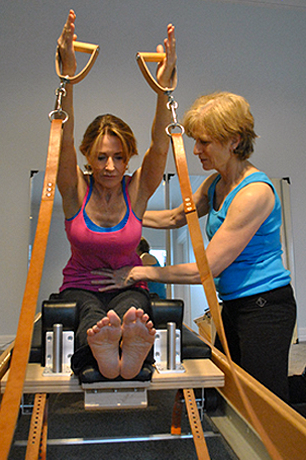
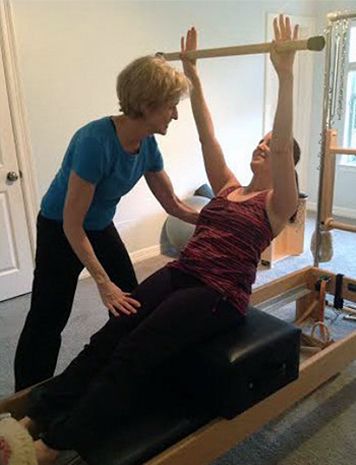
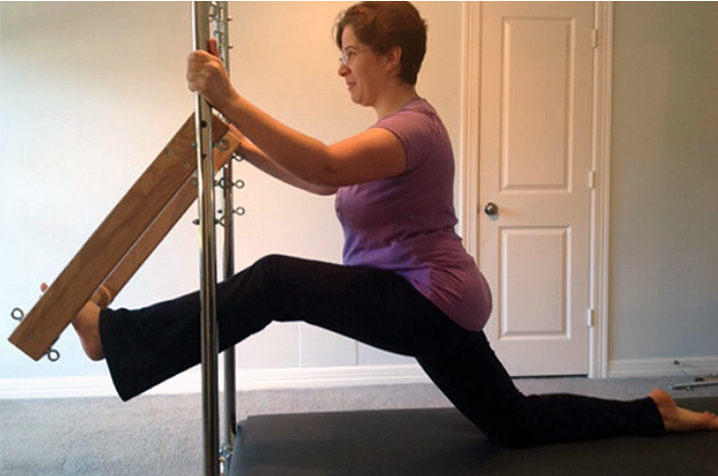
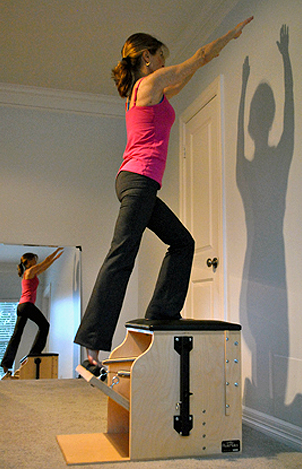
A Pilates reformer is one of the Pilates resistance machines with a moving carriage that slides along a wooden or metal frame. Springs and straps provide assistance and resistance; exercises are performed lying down, sitting, kneeling or standing. Pilates reformers offer more resistance and support than a mat.
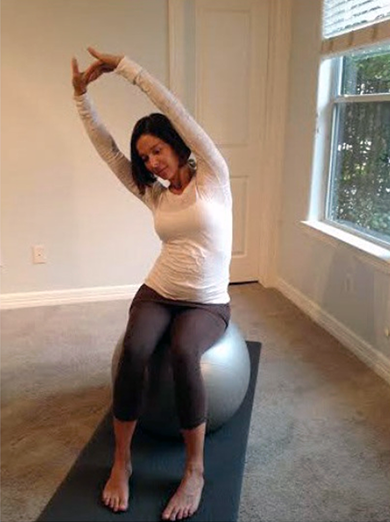
Mat Pilates is a series of exercises done on the floor that target the core muscles that stabilize the pelvis and back. Mat workouts will allow you more flexibility in where and when you work out.
Should I Do Customized (One-on-One) or Group Pilates Classes?
What appeals to you will depend on how you like to work out, your schedule, how much you want to spend and whether you want or need a customized Pilates program.
Does working out with others help you stay motivated and focused? Do you have a consistent schedule? Do you want to minimize your cost of Pilates sessions? If so, group classes may be the best fit.
On the other hand, working one-on-one allows you to set your own schedule and not be driven by specific class times. One-on-One Pilates sessions also allows you to address your unique goals or physical needs as the instructor designs a customized Pilates program for you. Your unique program changes as you physically progress or your needs change.
How Do I Start?
An introductory or beginner Pilates mat session (private or small class) is a good starting point for those new to the Pilates method of exercise. It is important to learn some basics and have proper feedback when first learning since Pilates exercises build on fundamental concepts. If you are unsure whether Pilates is right for you small group classes are more economical than private or semi-private Pilates sessions and you will still receive plenty of individual attention, guidance, and monitoring.
Is It Safe To Do Pilates When You Are Pregnant?
Research suggests that a pregnant woman should not start a new exercise routine during her first trimester. However, women have found that Pilates during a normal healthy pregnancy can be very beneficial since Pilates improves your changing center of balance and decreases incidence of low back pain. Always consult your doctor about your exercise program during pregnancy.
|