Come Back to the Classic
The only Pilates work that has stood the test of time.
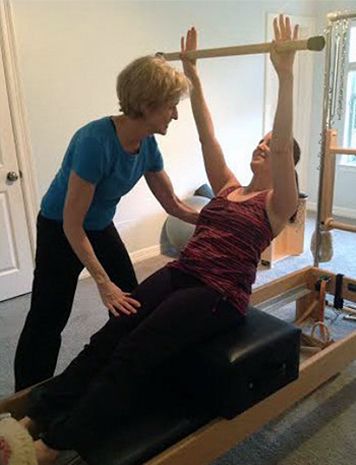
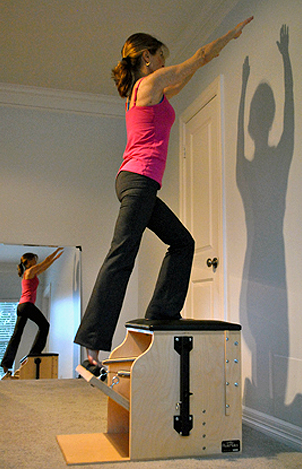
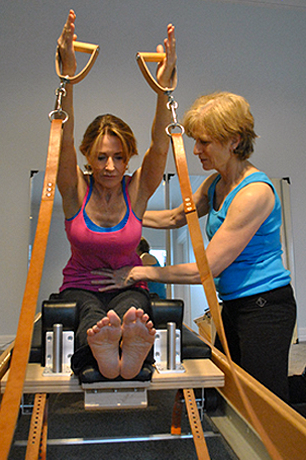
Bange Pilates, located in the Lazybrook/Timbergrove area of Houston, Texas, is a boutique studio offering one-on-one classical Pilates sessions taught by a highly trained instructor at affordable prices. With the focused training that only a private session can give, you will see benefits not achievable in a group class environment. Your program is designed specifically for you and adapts with you as you progress or your needs change.
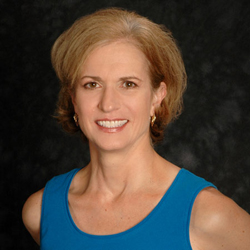
Mary Bange brings over 20 years of personal Pilates practice and more than 15 years of teaching experience to Bange Pilates.
Mary's Certifications and recognition:
- Peak Pilates Program
- National Pilates Certification Program
- Breast Cancer Exercise Specialist (Pink Ribbon Program)
- Prenatal and Postnatal Specialist
- Senior Fitness Specialist (Exercise, Etc.)
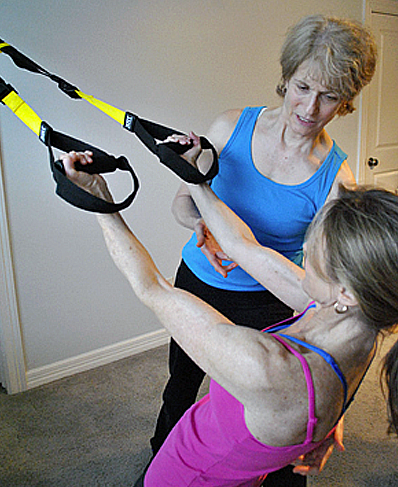
- TRX Suspension Training and SPX
- Featured in Shape Magazine and Pilates Style Magazine
RATES
One-on-one training is available by appointment.
Please call the studio at 803-240-2580
or email us at maryb@fastmail.fm to request an appointment.
New client special: 3 sessions for $99
One-on-one training: $60 per session, $220 - 4 pack ($55/session)